
1776: Two Frontiers, One Revolution
The surprising thread connecting England's marshlands with Revolutionary America, and a California valley that had yet to hear the echoes of independence.

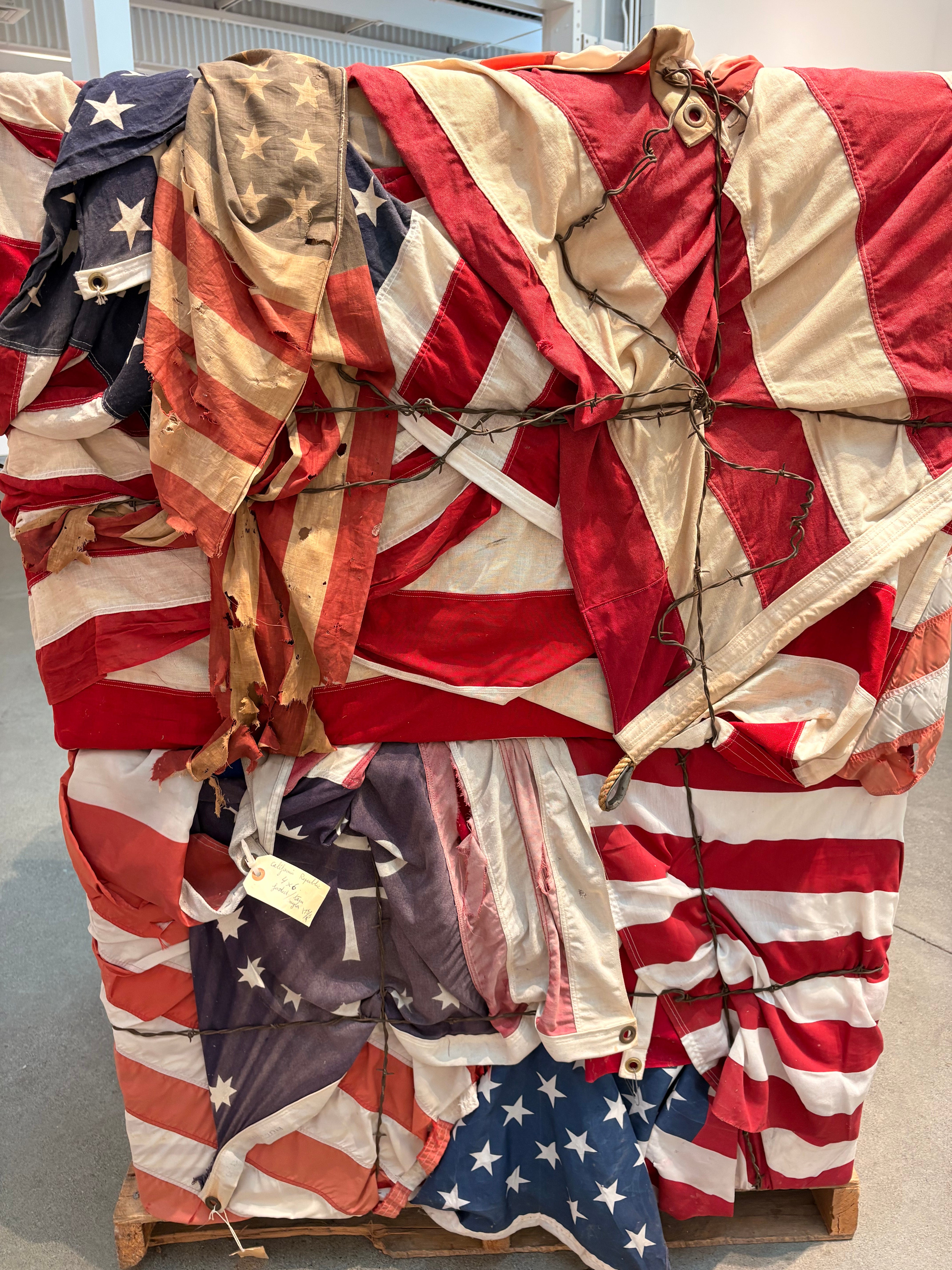
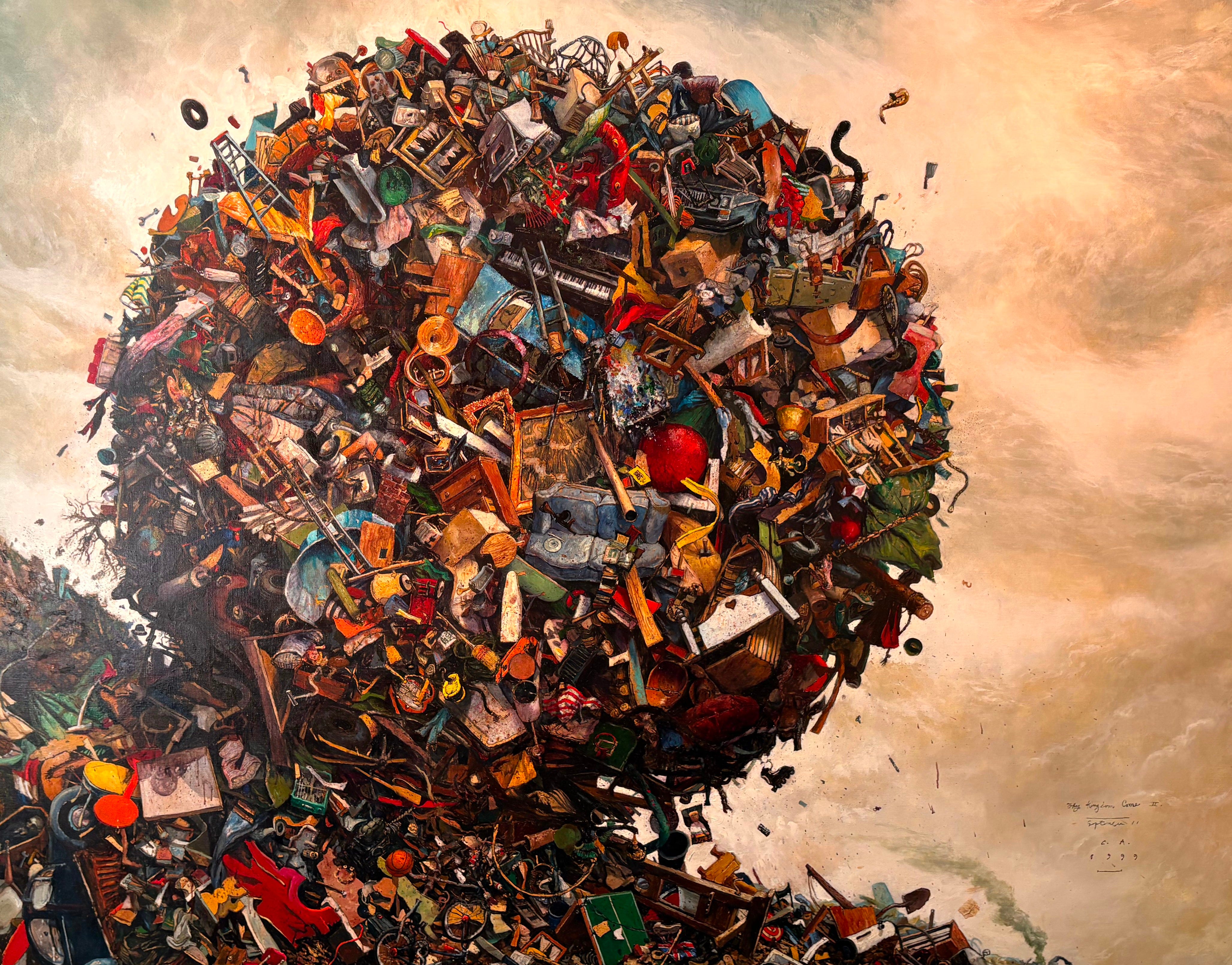
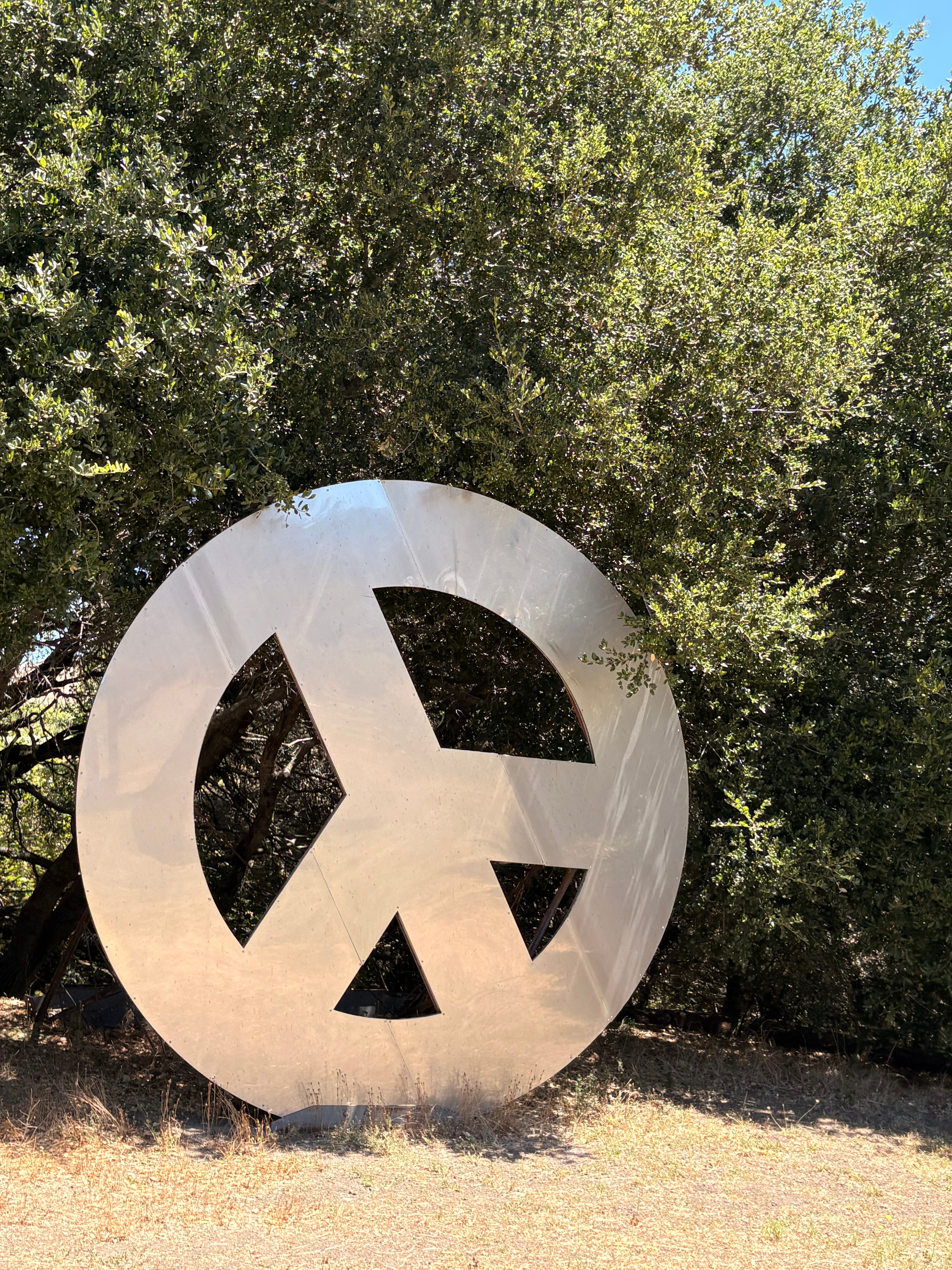
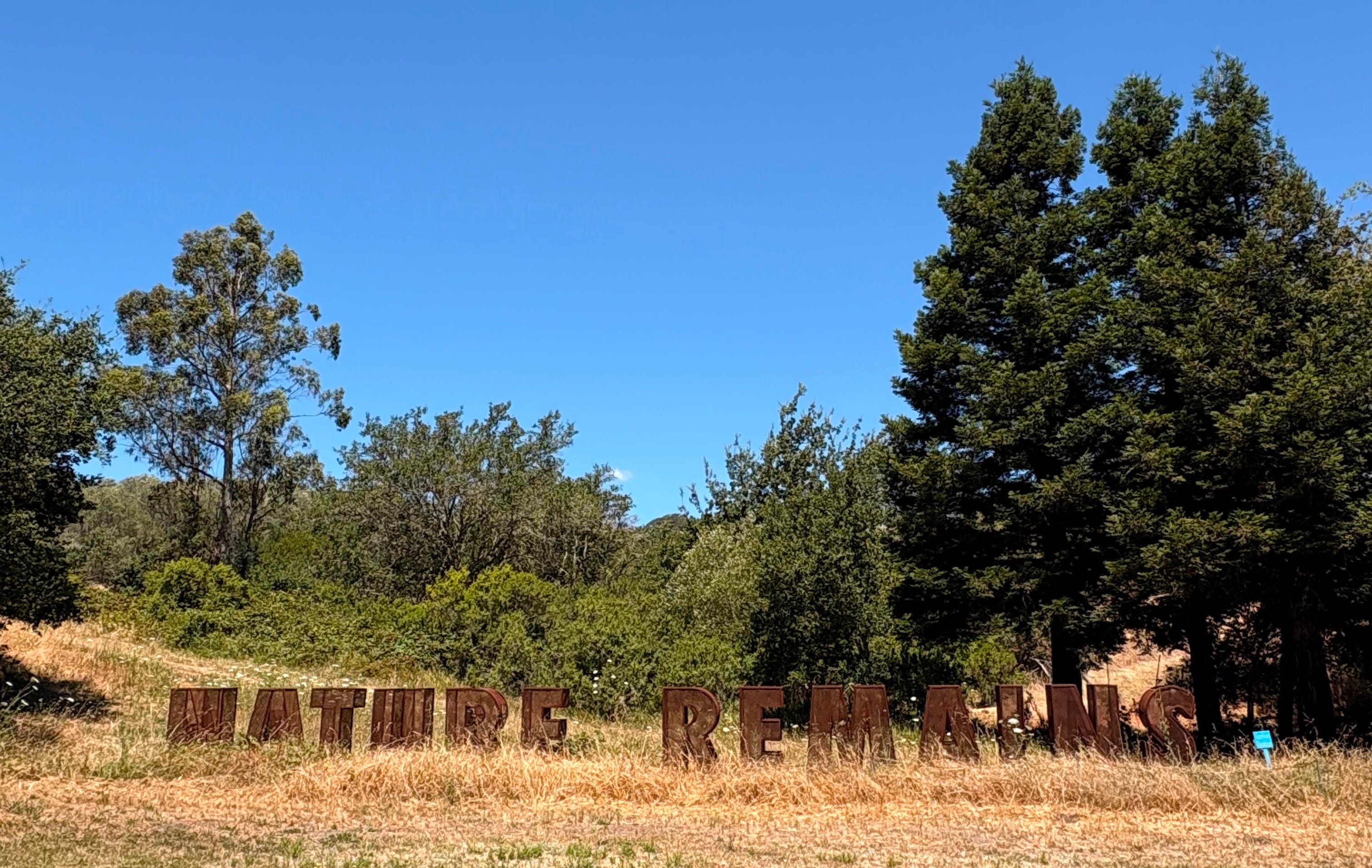
(Art photos taken during a visit to di Rosa Center for Contemporary Art, Sonoma)
As a native of an English market town — Crowland, located on the Lincolnshire/Cambridgeshire border, my birthplace has little in common other than a bounty of farmland with my adopted home city of Petaluma, here in the western United States.
Yet, I’ve been wondering about what life was like in both places, back in 1776, far from the bloody battlefields, given the approach of the 250th anniversary of the declaration of Indpendence of the United States from Britain.
I assumed that neither place had much to do with the Revolutionary War, but curiously, upon deeper research, it appears I was wrong about one of them.
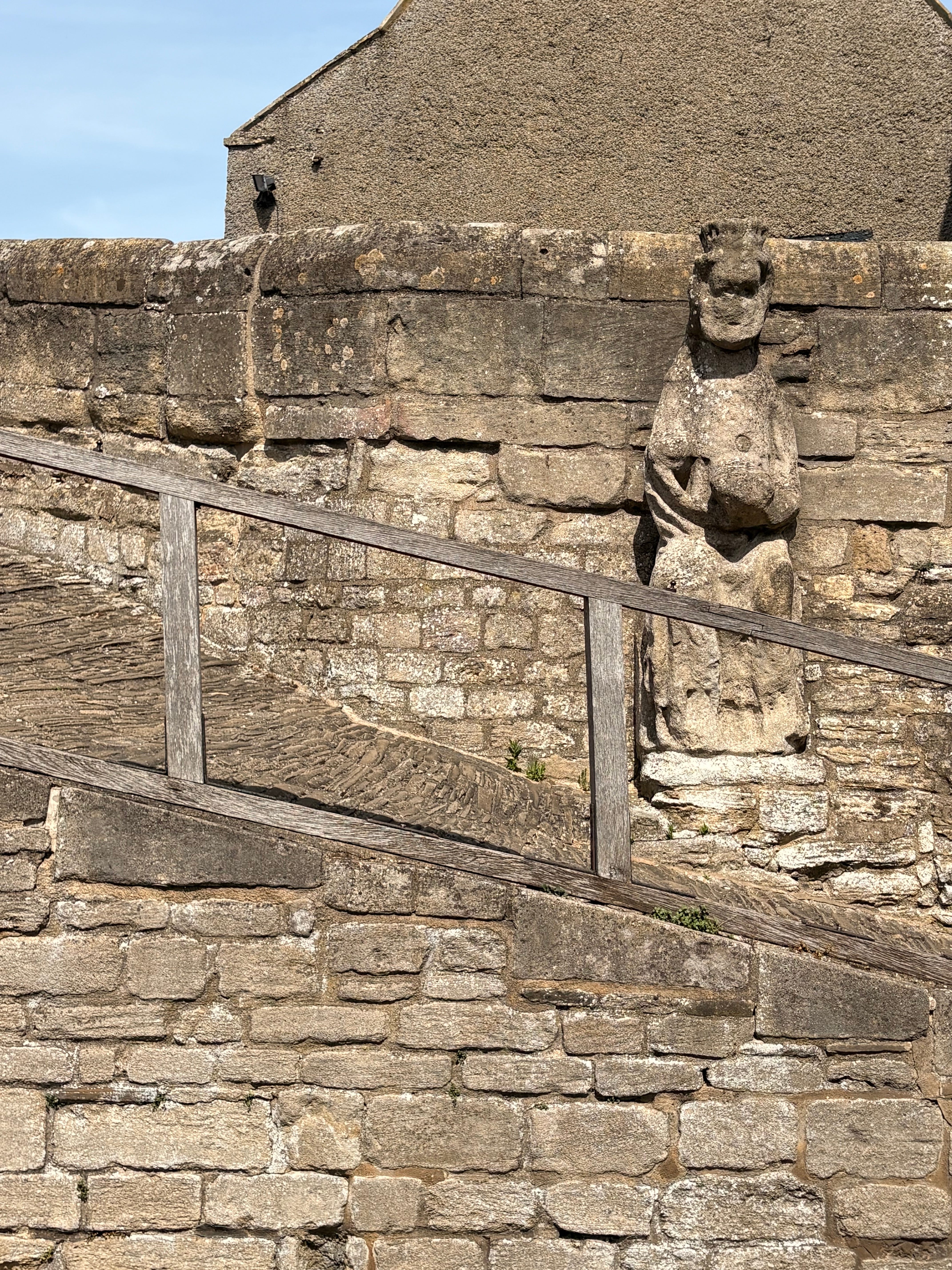
(Trinity Bridge, Crowland)
For many Fenland towns and neighboring tofts (ridged communities that were historically elevated as islands in the original wetlands) did indeed contribute to the American War of Independence not through soldiers, but through the wool that clothed them. As a prominent hub in Lincolnshire’s booming agricultural network, Crowland and surrounding area’s local economy had relied heavily on sheep farming and wool processing.
During the Revolutionary War, the British military required massive, standardized quantities of heavy wool broadcloth to manufacture the iconic uniforms of its infantry.
The wool sheared and processed in the Fens was shipped to English textile centers, where it was woven and dyed to create the very “red coats” worn by British regulars fighting on American battlefields.
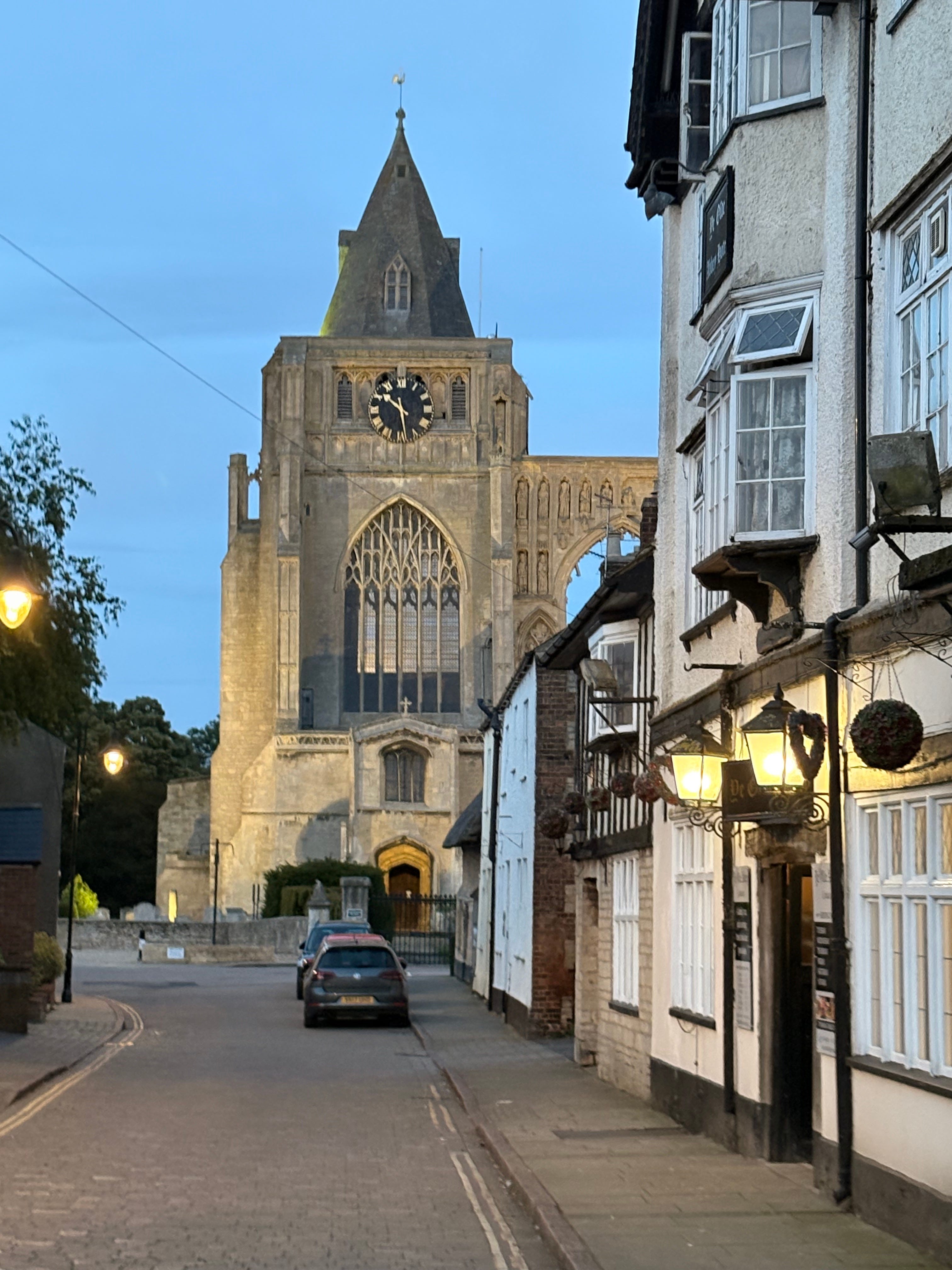
(Crowland Abbey)
What had earlier been raw, untamed wetlands surrounding Crowland Abbey prior to the mid 1600s, remained in stark contrast to the birth of a new nation across the Atlantic.
While American revolutionaries were signing the Declaration of Independence to forge a modern republic, the Fenmen known as “Fen Tigers” of my home soil were still learning to navigate rich pasture land the Dutch had tamed a century earlier from a watery, highly biodiverse wilderness of peaty marshland.
These tough and insular, largely indigenous people had survived for generations in their homes of wattle and daub on fish, eels, wildfowl and the sale of thatch reeds. By the 1770s there were now strict manorial regulations about the pasturing of horses, cattle and sheep. It was the function of the Fen Reeves (prominent men of affairs concerned with the number of beasts) to enforce them and it can’t have been easy.
Now, as the United States marks its historic 250th anniversary as a bustling global superpower, my native Fens have taken a much quieter path. The wild, misty bogs that have long since been utilized as valuable, flat arable farmland, have left the area today as a quiet, rural region that sits off the beaten track, anchored by its geographic location, its history and its own independence rather than the rush of the modern world.
The heavy lifting of the woolen supply chain relied entirely on the Lincoln Longwool sheep, a historic breed native to the fens that was highly prized for its massive size and dense, lustrous fleece. After the sheep were sheared, merchants utilized the extensive network of local rivers and drainage dykes to transport the raw wool.
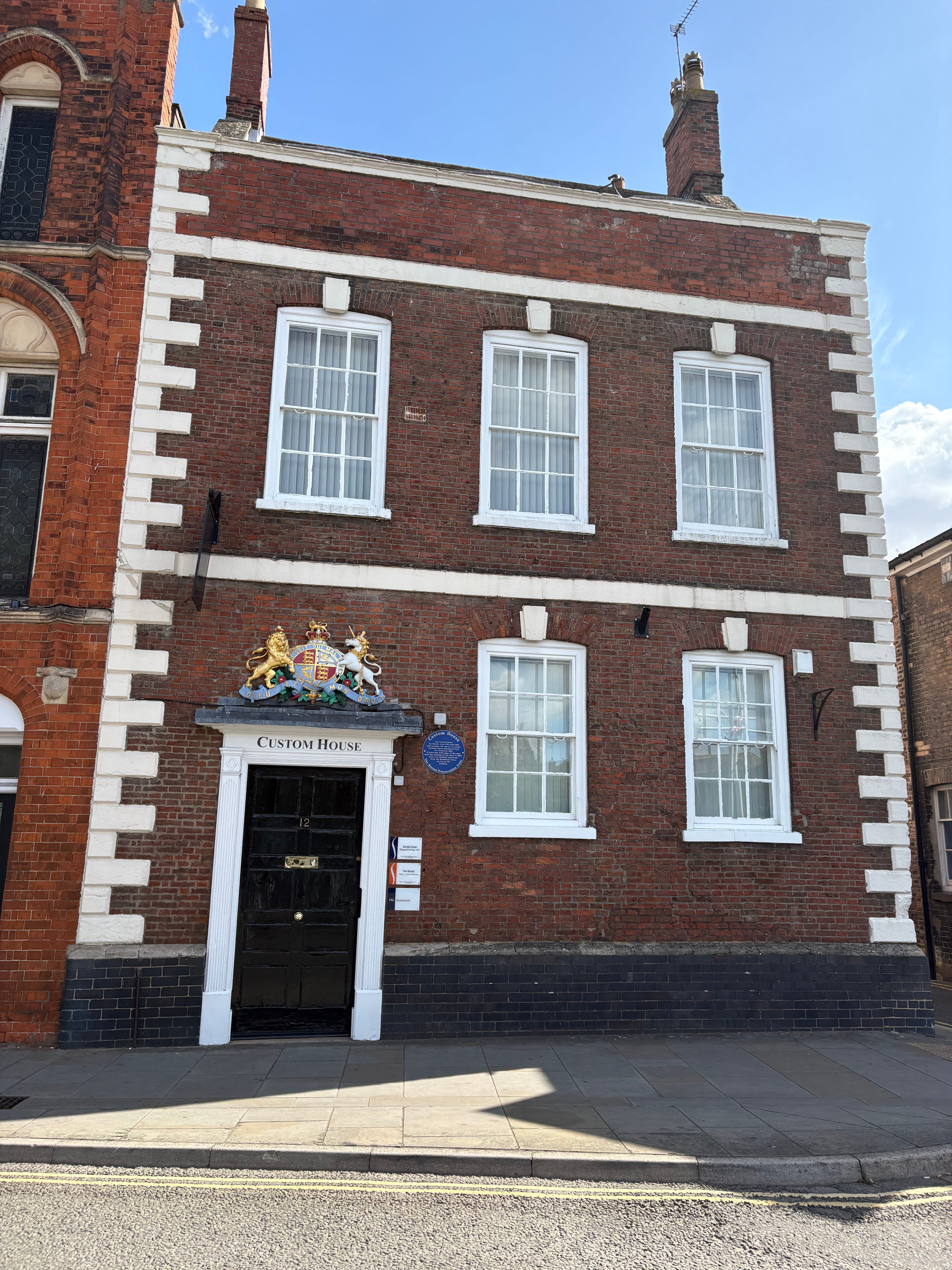
(Custom House, Boston, Lincolnshire)
These inland waterways connected straight to the nearby shipping hubs of Spalding and Boston, Lincolnshire, where the cargo was loaded onto coastal vessels destined for the industrial weaving mills of Yorkshire and the West Country. Ironically, while the farmers of the Lincolnshire fens were working to supply the British military, their local merchants watched the war with concern. The conflict completely disrupted global maritime shipping, meaning the very same Lincolnshire ports of Boston and Spalding suffered heavy economic losses as international trade routes ground to a halt during the American blockade.
Meanwhile, across the world in Petaluma, Northern California, the landscape of 1776 was pristine and largely untouched, a vast, sweeping, coastal prairie with redwood groves in the greater region and sprawling, freshwater wetlands. The Europeans had yet to set up home, making this the last chapter of paradise for its native Miwok people.
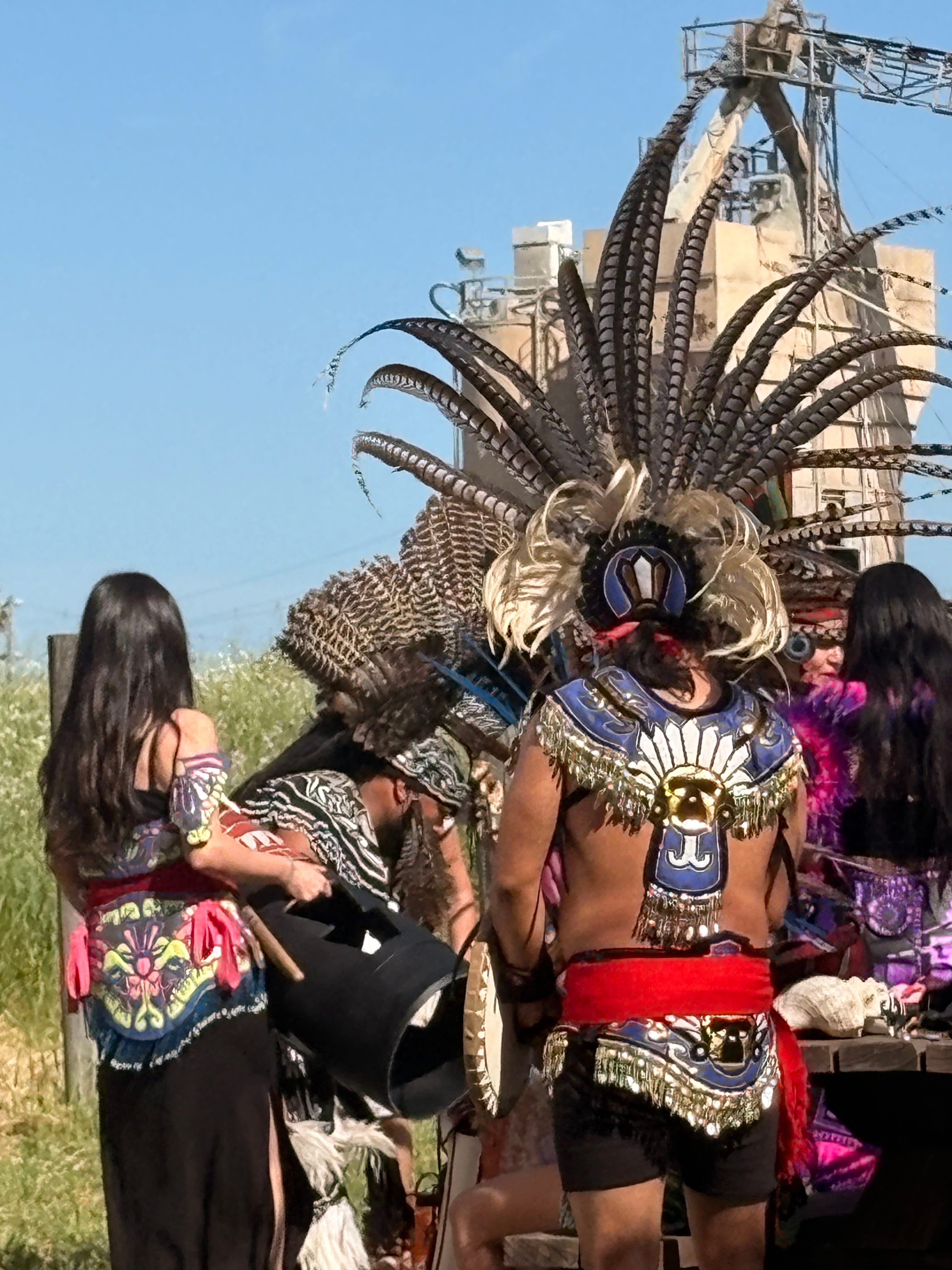
(Petaluma River Park Miwok Ceremony)
It too was home to a remarkably dense and diverse ecosystem. A mixture of tidal wetlands, oak woodlands and open grasslands for many species that are now extinct, including flora and fauna and, remarkably, the last of the California Grizzly (Brown) Bears.
It was to be a monumental tipping point. While American colonies on the east coast were intent on declaring independence, eyes were beginning to turn to the opportunities that were seemingly up for grabs in the far away coastal west.
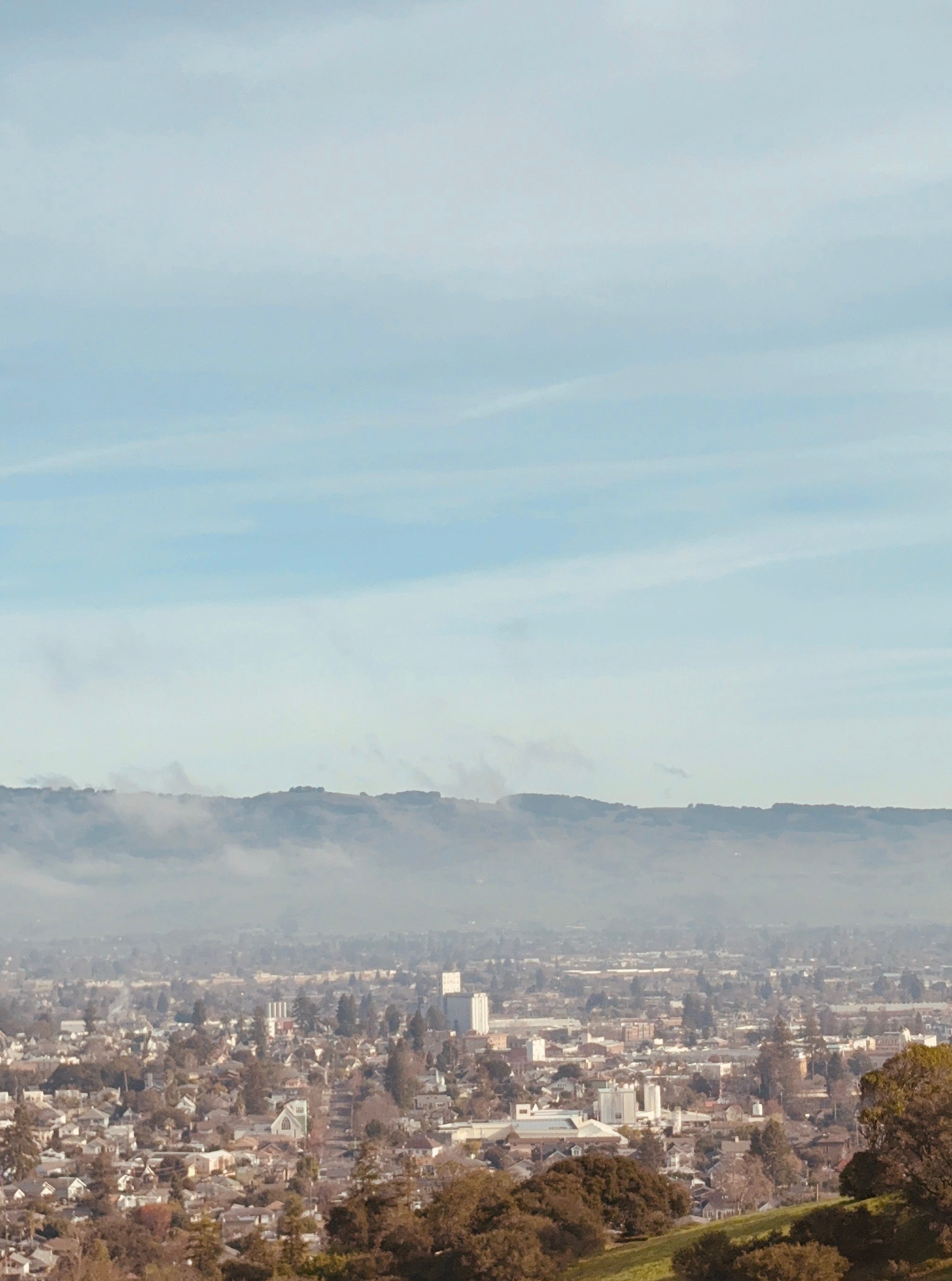
Of two simultaneous Spanish expeditions pushing up from the newly mapped San Francisco Bay, Captain Fernando Quiroz is said to have navigated the Petaluma River in 1776 to see if it would provide a navigatable water route out to Bodega Bay. It does not. But that didn’t put anyone off.
That same year, Lieutenant Colonel Juan Bautista de Anza led an overland colonizing expedition from Mexico to San Francisco to establish a presidio and mission, intoducing a fragile network of military forts and missions designed to claim territory for the Spanish crown. The deep and complex ancestral civilizations of the region’s indigenous tribes who had cared for the land for millenia would be decimated by what was to come.
Within a generation, the spread of Mexican ranchos, and eventually the influx of American settlers after the Gold Rush reshaped Petaluma, layering new histories upon an ancient homeland whose first inhabitants had given the valley its identity.
Even the American Civil War left relatively little direct mark on the Petaluma Valley. While Californians followed the conflict closely and local men enlisted on both sides, no battles were fought here and daily life continued much as before. Petaluma's farms, ranches, and growing businesses supplied a distant nation at war, but the valley itself remained far removed from the devastation that once again transformed so much of the eastern United States.
Ironically, as with the Revolutionary War, the American Civil War possibly left a deeper imprint on my native Fens than on my adopted American hometown of Petaluma. While no battles reached eastern England, the disruption of transatlantic trade affected agriculture, shipping, and local livelihoods.
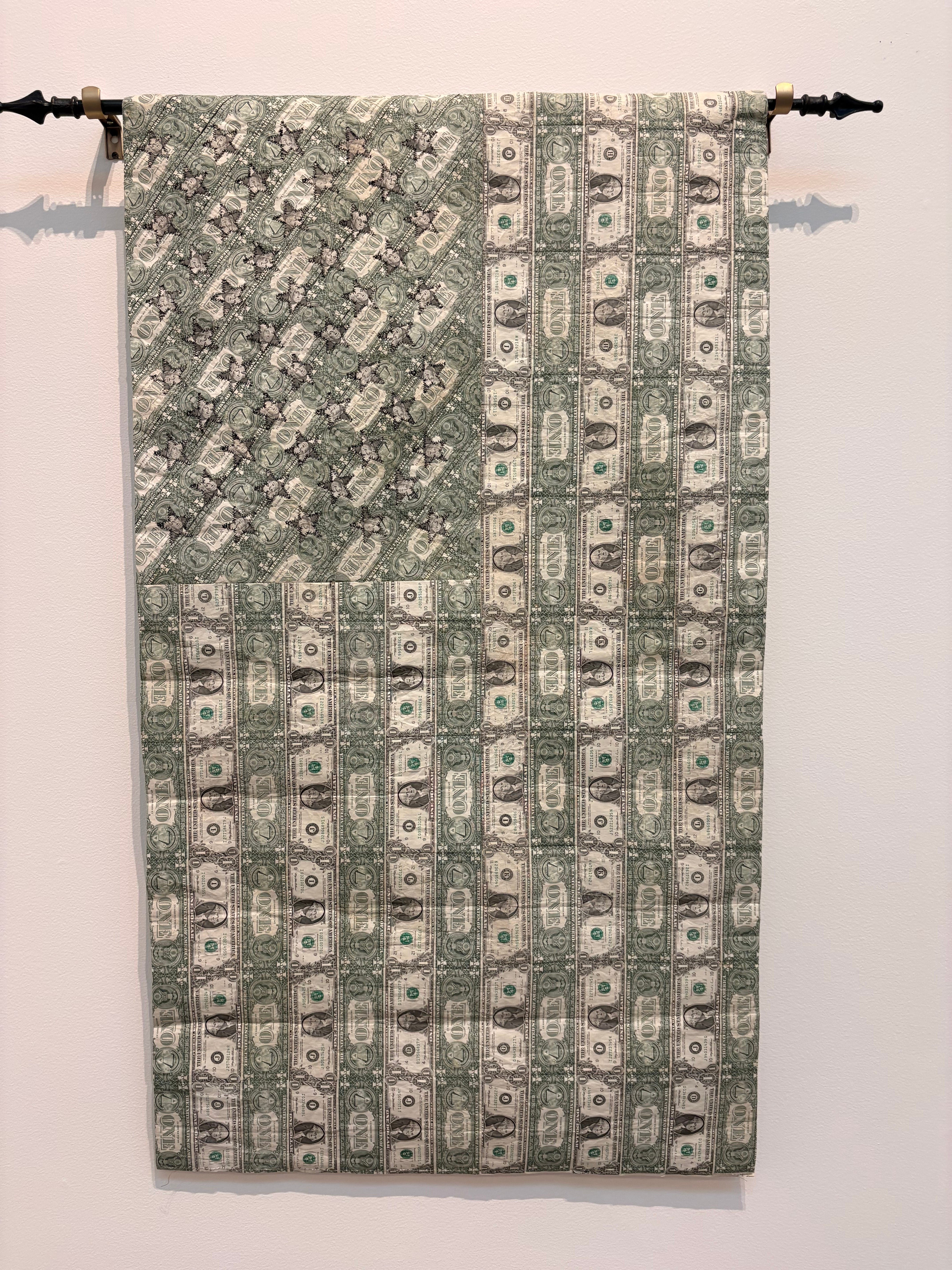
I’m a naturalized citizen who left the UK to build a new life in the United States aged, 24, in 1990. I’m grateful for my dual nationality and remain commited to my primary base in California. Celebrating 4th July during this historic year, however, carries a profound sense of consideration.
While the current administration’s acts and policies have been and continue to be deeply disheartening and disturbing to me and the vast majority of the people I surround myself with, the monumental milestone of America’s 250th anniversary serves as a reminder that the nation I call home really is a continuous, evolving experiment rather than a static reality.
As I look past my immediate political frustrations, I’m holding on tightly to a quiet, resilient hope that the country’s best chapters are still unwritten.
It has been inspiring to watch 2026 FIFA World Cup fever sweep the nation (and the world) over the past few weeks. This has sparked a massive display of pride in cultural heritage and generational connection. How wonderful to see stadiums packed with flag flying multi-generational families and joy of identifying with so many cultures from around the globe. People are not afraid to root for their team and to shout it from the rooftops right now and that is refreshing. That’s what America is about.
My own hopes are rooted in these tangible, emerging signs of a brighter future here in the states: a rapidly growing social awareness, a renewed commitment to community, care and an urgent, grassroots demand for climate action.
Standing in this moment, I feel this milestone is less about glorifying the past and all about the people of the United States beginning to align our massive collective potential with a more compassionate and sustainable vision for all.
And if the England team does win the soccer World Cup this year, against considerable odds, and on American soil, well, that would be ironic and poetic, wouldn’t it?
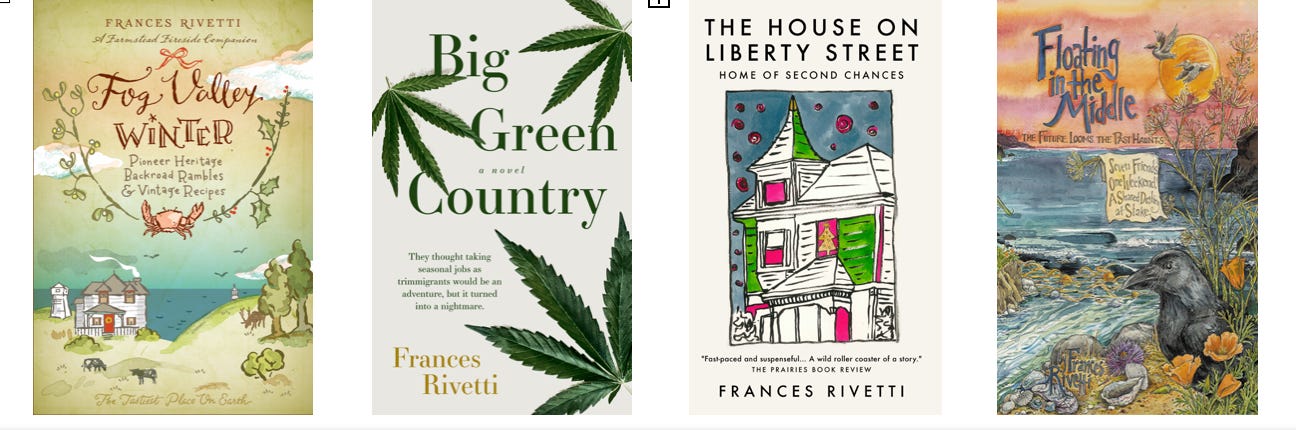
British American journalist Frances Rivetti is the author of five books set in Northern California: two non fiction and three novels.
Terrific and engaging, as usual.
This is an amazing tale, well-told. Bravo, Frances. And thank you.